

replica pitole
rizwanrajputthakur@gmail.com
Replica Weapons Uncovered: Beauty, Craft, and Legacy (20 อ่าน)
12 ก.พ. 2569 09:29
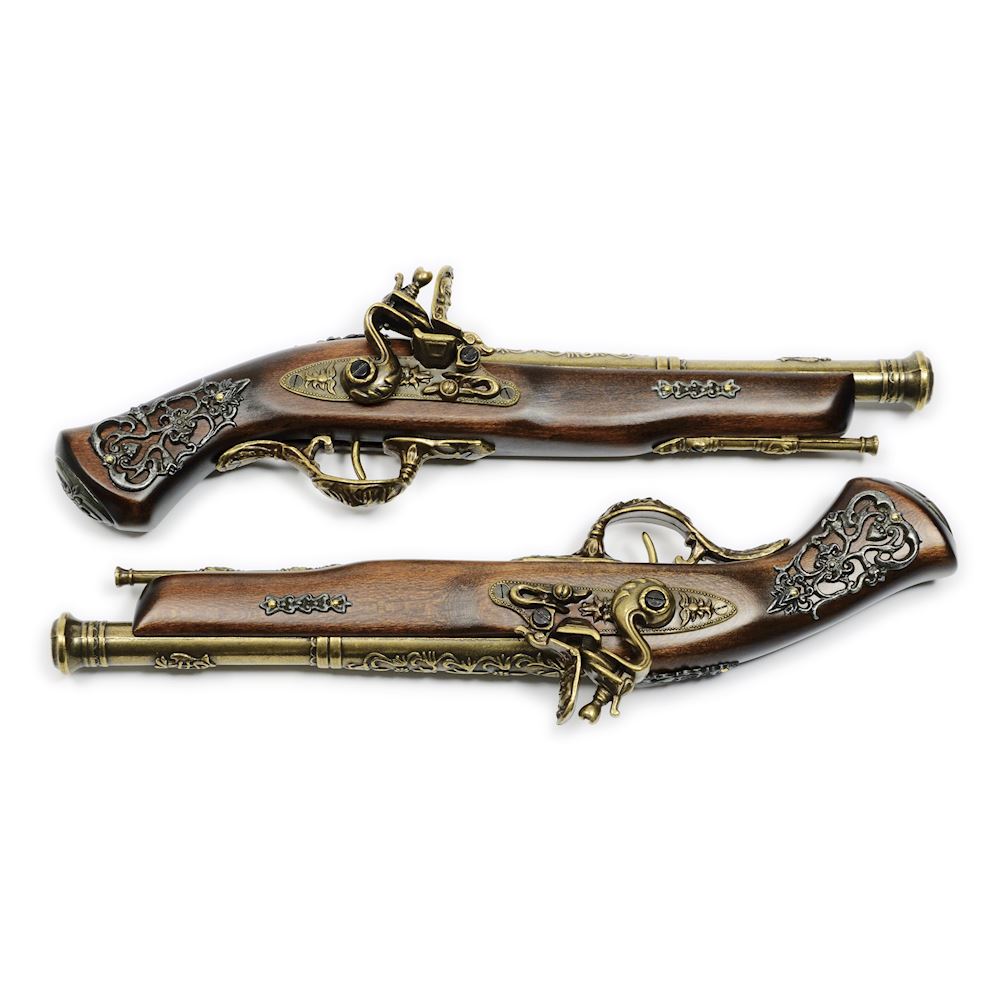
Replica antique weapons occupy a distinctive space where craftsmanship, history, and collecting converge. These meticulously recreated artifacts are not simply decorative objects; they are tangible interpretations of bygone eras. From medieval broadswords to flintlock pistols of the 18th century, replica weapons allow enthusiasts to experience the artistry and cultural significance of historical armaments without owning fragile or priceless originals.
In recent years, the niche of replica antique weapons has grown steadily. Collectors, historical reenactors, filmmakers, museums, and interior designers increasingly turn to high-quality reproductions for replica pitole and visual impact. Unlike modern weaponry designed for tactical efficiency, antique arms tell stories of kingdoms, revolutions, exploration, and personal honor. Replicas preserve these narratives while remaining accessible to a broader audience.
Understanding Replica Antique Weapons
Replica antique weapons are carefully crafted reproductions of historical arms. They may mirror swords, muskets, daggers, crossbows, cannons, or early firearms that were once carried by soldiers, pirates, nobles, or frontiersmen. Skilled artisans study original specimens, museum archives, and historical documents to ensure their recreations reflect accurate dimensions, materials, and ornamentation.
These replicas vary in purpose. Some are purely decorative and designed for display. Others are functional reproductions capable of limited demonstration use, particularly in historical reenactments. High-end manufacturers often prioritize period-correct materials such as carbon steel, hardwood stocks, brass fittings, and leather grips. Attention to detail is paramount, including engravings, patina finishes, and hand-forged components.
A Bridge Between Past and Present
One of the primary appeals of replica antique weapons is their ability to bridge centuries. Holding a reproduction of a Viking axe or a Renaissance rapier evokes a sensory connection to history. The weight, balance, and texture provide insight into how warriors once fought and defended themselves.
Museums frequently utilize replicas for interactive exhibits. Original artifacts are often too delicate to handle, but reproductions allow visitors to appreciate the heft and construction of historical arms. Educational institutions also employ replicas to teach students about metallurgy, warfare evolution, and cultural symbolism.
For historical reenactors, authenticity is essential. Carefully made replica weapons complete period costumes and enhance immersive experiences. Civil War reenactments, medieval festivals, and Napoleonic battle recreations rely on accurate reproductions to maintain credibility.
Craftsmanship and Artistry
The production of replica antique weapons demands a blend of traditional techniques and modern precision. Master blacksmiths and metalworkers may use forging methods similar to those practiced centuries ago. Blades are shaped, tempered, and polished to reflect historical standards, while wooden components are carved and fitted with care.
Decorative elements are equally important. Intricate engravings, etched patterns, and hand-tooled leather sheaths contribute to authenticity. Some premium replicas even replicate wear patterns or aged finishes to mimic the appearance of genuine antiques.
In certain cases, artisans collaborate with historians to ensure historical accuracy. Measurements are taken directly from surviving artifacts, and construction techniques mirror those of the original era. The result is a reproduction that not only looks accurate but also embodies the spirit of the period.
Collecting Replica Weapons
Collecting replica antique weapons can be both a hobby and an investment in craftsmanship. Unlike authentic antiques, which may be prohibitively expensive or restricted by law, replicas are more accessible and often legally obtainable in many regions, subject to local regulations.
Collectors often focus on specific themes, such as medieval European swords, Japanese samurai blades, or American Revolutionary War firearms. Others assemble curated displays that represent multiple historical periods. Display cases, wall mounts, and custom stands enhance presentation and protect the items.
When selecting replicas, discerning buyers examine several factors:
Material quality: High-carbon steel blades and solid wood stocks indicate durability.
Historical accuracy: Faithful reproduction of dimensions and design.
Manufacturer reputation: Established producers with consistent craftsmanship.
Intended purpose: Decorative versus functional use.
Research plays a vital role in building a meaningful collection. Knowledge about the historical background of each piece enriches the collecting experience.
Replica Firearms and Legal Considerations
Replica antique firearms, such as flintlocks and percussion pistols, are particularly popular. Many of these reproductions are non-firing or designed for blank charges only. Others are fully functional black powder firearms intended for controlled historical shooting demonstrations.
Legal requirements vary significantly by country and region. Prospective buyers must understand local laws governing ownership, display, and transportation. Some jurisdictions treat non-firing replicas differently from operational firearms, while others impose strict regulations regardless of functionality.
Responsible ownership includes secure storage and adherence to safety guidelines. Even non-functional replicas should be handled with care and respect, particularly in public settings.
The Role in Film and Theater
The entertainment industry heavily relies on replica antique weapons to achieve visual authenticity. Historical dramas, fantasy epics, and theatrical productions require accurate props that withstand repeated use. Replicas provide a safer and more practical alternative to original antiques.
Prop makers often customize replicas to suit specific characters or storylines. Aging techniques, custom engravings, and specialized finishes create distinctive pieces that enhance storytelling. Because these items are purpose-built, they can be modified without risking damage to priceless historical artifacts.
Interior Design and Decorative Appeal
Beyond collecting and reenactment, replica antique weapons serve as striking decorative elements. A pair of crossed sabers mounted above a fireplace or a colonial musket displayed in a study can evoke sophistication and heritage. Restaurants, themed venues, and private libraries often incorporate such pieces to cultivate ambiance.
Interior designers recommend thoughtful placement to maintain elegance rather than excess. When integrated tastefully, replica weapons become conversation pieces that reflect appreciation for history and artistry.
Preserving Historical Awareness
Replica antique weapons contribute to cultural preservation by sustaining interest in historical craftsmanship. As original artifacts age and become increasingly rare, reproductions ensure that knowledge of traditional weapon-making techniques does not vanish.
Workshops and craft studios dedicated to historical reproduction keep ancient skills alive. Apprentices learn forging, engraving, and woodworking methods that might otherwise fade into obscurity. This transmission of knowledge represents an intangible cultural heritage.
Furthermore, replicas democratize access to history. Not everyone can afford or legally own authentic antiques, but high-quality reproductions allow enthusiasts worldwide to engage with historical artifacts in a meaningful way.
Choosing Quality Over Imitation
Not all replica antique weapons are created equal. The market includes both finely crafted reproductions and low-cost decorative imitations. Buyers should be cautious of mass-produced items made with inferior materials, such as stainless steel blades with unrealistic proportions or plastic components disguised as wood.
Indicators of quality include balanced weight distribution, historically accurate markings, and durable construction. Reviews, expert forums, and manufacturer transparency can help guide purchasing decisions.
Investing in reputable craftsmanship not only ensures authenticity but also supports artisans dedicated to preserving traditional skills.
The Future of the Replica Weapon Industry
Advancements in technology are influencing the future of replica antique weapons. Computer-aided design, precision machining, and improved metallurgy enhance accuracy while maintaining historical integrity. Some manufacturers utilize 3D scanning to replicate museum artifacts with extraordinary precision.
At the same time, there remains strong appreciation for handcrafted methods. Collectors often value items forged and assembled using traditional techniques. This balance between innovation and heritage defines the evolving landscape of the replica weapon niche.
As interest in history, fantasy media, and reenactment continues to grow, demand for high-quality replicas is likely to expand. Enthusiasts seek authenticity, educational value, and aesthetic beauty in equal measure.
Conclusion
Replica antique weapons represent far more than ornamental objects. They embody craftsmanship, historical reverence, and artistic dedication. By recreating swords, muskets, and other arms of the past, artisans preserve stories that shaped civilizations.
223.29.232.100
replica pitole
ผู้เยี่ยมชม
rizwanrajputthakur@gmail.com