

shell
benducket3211@gmail.com
Is Composite Wood Siding the Best Modern Solution for Durable, Stylish, and Low-Maintenance Home Exteriors? (46 อ่าน)
16 เม.ย 2569 22:27
Composite wood siding has become one of the most popular choices in modern construction for homeowners who want a durable, attractive, and low-maintenance exterior finish. Unlike traditional wood siding, which is made entirely from natural timber, composite wood siding is manufactured using a blend of wood fibers, recycled plastics, and bonding resins. This engineered combination creates a strong exterior cladding material that mimics the appearance of real wood while significantly improving resistance to weather, moisture, and long-term wear.
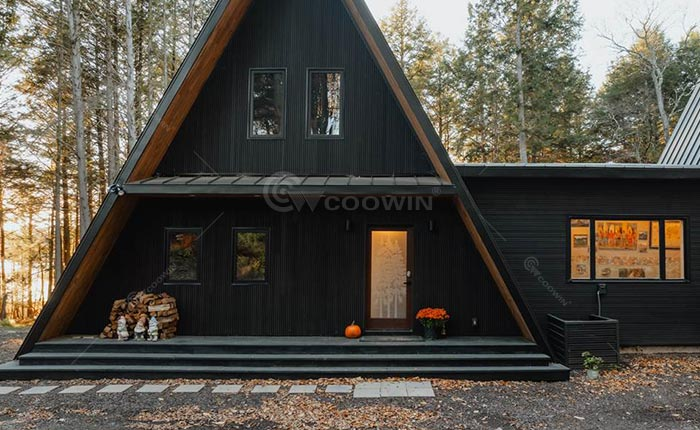
When people search for composite wood siding, they are usually comparing it with options like natural wood siding, vinyl siding, fiber cement siding, and engineered wood siding. Each material has its strengths, but composite wood siding stands out for its balance of aesthetics and durability. It delivers the warm, natural appearance of wood while reducing many of the maintenance challenges that come with traditional timber exteriors.
One of the most important advantages of composite wood siding is its resistance to moisture damage. Natural wood absorbs water easily, which can lead to swelling, warping, rotting, and mold growth over time. Composite materials are engineered to minimize water absorption, making them more stable and reliable in humid or rainy environments. This makes them suitable for exterior cladding in diverse climates where weather exposure is constant.
Another key benefit is resistance to insects and decay. Traditional wood siding is often vulnerable to termites, carpenter ants, and fungal deterioration. Composite wood siding avoids these issues due to its synthetic composition and protective manufacturing process. This helps extend the lifespan of the exterior surface while reducing long-term repair costs.
In terms of appearance, composite wood siding provides a consistent and uniform finish that enhances modern architectural design. Unlike natural wood, which may include knots, cracks, and irregular grain patterns, composite siding is manufactured for visual consistency. This results in a clean, refined exterior look that improves curb appeal and overall property value.
Does Composite Wood Siding Offer Long-Term Durability and Design Versatility?
Composite wood siding is widely recognized for its long-term durability, especially when compared to traditional wood and vinyl siding options. It is designed to withstand harsh environmental conditions, including heavy rain, strong sunlight, wind exposure, and seasonal temperature changes, without losing its structural integrity or aesthetic appeal.
One of the most important performance features of composite wood siding is its UV resistance. Prolonged exposure to sunlight can cause natural wood to fade, crack, or lose its original texture. Composite siding materials are manufactured with protective coatings that help reduce fading and maintain color consistency over time. This ensures that the exterior of a building remains visually appealing for many years with minimal upkeep.
Thermal stability is another major advantage. In regions where temperatures fluctuate significantly between seasons, traditional wood tends to expand and contract, leading to structural gaps and surface damage. Composite wood siding is engineered to remain dimensionally stable, reducing the risk of warping and maintaining a secure exterior finish.
Design versatility also plays a significant role in its popularity. Composite wood siding is available in a wide range of colors, textures, and woodgrain finishes that replicate the appearance of natural timber while offering greater durability. This allows homeowners, architects, and builders to achieve different design styles, from modern minimalist exteriors to traditional rustic home designs.
In addition to residential use,composite wood siding is increasingly being used in commercial buildings, hospitality projects, and modern housing developments. Its ability to maintain appearance and performance over time makes it a preferred choice for large-scale architectural applications where both aesthetics and longevity are important.
Another advantage is its low maintenance requirement. Unlike traditional wood siding, which requires regular painting, sealing, and repair, composite wood siding only needs occasional cleaning to maintain its appearance. This makes it an ideal solution for homeowners who want a beautiful exterior without ongoing maintenance demands.
Is Composite Wood Siding a Cost-Effective and Sustainable Exterior Solution?
Composite wood siding is not only valued for its durability and appearance but also for its long-term cost efficiency. While the initial installation cost may be higher than some traditional siding materials, the reduced maintenance requirements and extended lifespan make it a financially practical investment over time. Homeowners save significantly on painting, repairs, and replacement costs, which adds to its long-term value.
Sustainability is another important factor contributing to the growing demand for composite wood siding. Many manufacturers produce composite siding using recycled wood fibers and plastic materials, reducing environmental waste and supporting eco-friendly construction practices. This makes it a responsible choice for environmentally conscious homeowners who want to reduce their carbon footprint without compromising on quality or design.
Energy efficiency can also be improved with composite wood siding when combined with proper insulation systems. A well-installed siding system helps regulate indoor temperature by reducing heat transfer, which can contribute to lower energy consumption for heating and cooling. This adds another layer of long-term value for homeowners focused on efficiency and sustainability.
Safety and resilience are additional benefits. Composite wood siding is designed to resist cracking, splitting, and splintering, which enhances structural safety and reduces maintenance risks. Its strong exterior performance ensures that homes remain protected against environmental stress and physical wear over time.
Conclusion – Why Composite Wood Siding Is the Future of Modern Exterior Design
Composite wood siding represents a modern advancement in exterior building materials, combining the natural beauty of wood with the strength and durability of engineered composites. Its resistance to moisture, UV damage, insects, and structural wear makes it a superior alternative to traditional wood siding in many applications. At the same time, its design flexibility allows homeowners and architects to create visually appealing and customized exterior finishes.
In conclusion, choosing composite wood siding is a long-term investment in durability, aesthetics, and sustainability. It offers a low-maintenance, weather-resistant, and environmentally friendly solution for modern homes and buildings. As exterior design continues to evolve, composite wood siding stands out as one of the most reliable and attractive options for achieving both performance and style in residential and commercial architecture.
43.242.177.9
shell
ผู้เยี่ยมชม
benducket3211@gmail.com