

shell
benducket3211@gmail.com
EN 10255: Why Is This Steel Tube Standard So Important for Plumbing and Industrial Pipe Systems? (63 อ่าน)
15 พ.ค. 2569 22:58
EN 10255 is a widely recognized European standard that defines the technical requirements for non-alloy steel tubes suitable for welding and threading. These steel tubes are commonly used in plumbing systems, heating installations, fire protection networks, and general engineering applications. The standard is often associated with mild steel pipes, threaded steel tubes, and welded steel piping systems designed for reliable performance in low and medium-pressure environments.
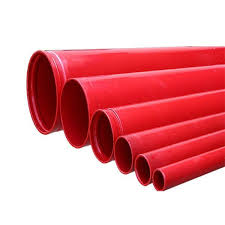
In the global steel pipe industry, en 10255 plays a crucial role in ensuring consistent quality, dimensional accuracy, and mechanical strength. Engineers, contractors, and steel pipe manufacturers rely on this specification when selecting materials for water distribution, gas pipelines, and HVAC systems. As a result, search terms such as EN 10255 steel tubes, BS EN 10255 pipes, threaded steel pipe standard, and mild steel plumbing pipes are widely used in industrial procurement and construction planning.
This standard has largely replaced older national specifications and is now accepted across European and international markets. It provides clear guidelines for manufacturing steel tubes that meet strict requirements for durability, safety, and performance. Because of this, EN 10255 pipes are considered a reliable choice for both commercial and residential infrastructure projects.
In modern engineering systems, EN 10255 steel tubes are valued for their versatility, ease of installation, and compatibility with threaded and welded fittings. Their widespread use reflects their importance in ensuring safe and efficient fluid transport systems across industries.
Technical Structure and Manufacturing Standards of EN 10255 Pipes
The EN 10255 standard classifies steel tubes based on thickness, weight, and intended application. These pipes are manufactured using non-alloy steel and are designed specifically for welding and threading operations. The production process follows strict engineering guidelines to ensure uniformity and long-term reliability.
One of the key features of EN 10255 steel tubes is their suitability for a wide range of applications, from light domestic plumbing systems to heavy-duty industrial installations. The pipes are typically available in light, medium, and heavy series, allowing engineers to choose appropriate specifications based on pressure and load conditions. This flexibility makes them highly popular among plumbing steel pipe suppliers, construction pipe manufacturers, and industrial steel tube producers.
The manufacturing process begins with high-quality steel formation, followed by shaping into cylindrical tubes. These tubes are then subjected to rigorous testing procedures to ensure compliance with dimensional accuracy and mechanical strength requirements. Many steel pipe manufacturers also apply surface treatments such as galvanization or protective coatings to enhance corrosion resistance and extend service life.
Another important characteristic of EN 10255 pipes is their compatibility with threaded fittings. Threaded steel tubes are widely used in plumbing and mechanical systems because they allow easy assembly and disassembly without welding. This feature is particularly useful in maintenance-heavy environments where quick repairs and replacements are required.
Quality assurance is a critical aspect of EN 10255 production. Pipes undergo various tests, including pressure testing, tensile strength evaluation, and surface inspection. These tests ensure that the final product meets international safety and performance standards. This makes EN 10255 certified steel tubes suitable for high-reliability systems such as fire protection pipelines and heating installations.
Global steel pipe suppliers and industrial manufacturers follow EN 10255 specifications to ensure their products meet international market demands. This standardization has helped create a consistent supply chain for steel tubes used in engineering and construction projects worldwide.
Industrial Applications and Engineering Importance of EN 10255 Steel Tubes
EN 10255 steel tubes are widely used across multiple industries due to their strength, durability, and adaptability. One of the primary applications is in plumbing systems, where they are used for water supply lines, heating systems, and sanitary installations. Their ability to withstand pressure and temperature variations makes them ideal for both residential and commercial buildings.
In fire protection systems, EN 10255 pipes are used in sprinkler networks and emergency water distribution systems. Their reliability under high-pressure conditions ensures efficient performance in critical safety applications. This is why fire safety engineers often specify BS EN 10255 steel tubes in building design and infrastructure planning.
The heating and HVAC industry also relies heavily on EN 10255 steel pipes. These tubes are commonly used in central heating systems, radiator connections, and thermal distribution networks. Their strength and heat resistance make them suitable for long-term use in energy-efficient building systems.
In mechanical and structural engineering, EN 10255 steel tubes are used for support structures, frameworks, and machinery assemblies. Their welded and threaded compatibility allows flexible design options in industrial construction and equipment manufacturing.
Industrial facilities also use these pipes for transporting non-corrosive fluids, compressed air, and low-pressure gases. Their reliability makes them a preferred choice for factories, processing plants, and manufacturing units where consistent performance is essential.
Construction companies also use EN 10255 steel tubes in scaffolding and temporary structures. Their strength and ease of installation make them suitable for fast-paced construction environments where safety and efficiency are critical.
Due to their wide range of applications, EN 10255 pipes have become a standard material in global engineering and infrastructure projects. Their reliability and compliance with strict European standards ensure their continued demand in international markets.
Global Market Demand and Technological Advancements in EN 10255 Steel Tubes
The global demand for EN 10255 steel tubes continues to increase as infrastructure development expands across industries and regions. This standard has become a benchmark for quality in steel pipe manufacturing, ensuring consistency and reliability in engineering applications.
One of the key reasons for its widespread adoption is its balance between cost-effectiveness and durability. EN 10255 steel pipes provide a practical solution for plumbing, heating, and industrial systems without compromising performance. This makes them highly attractive to construction firms, engineering contractors, and steel pipe suppliers.
Technological advancements in manufacturing have significantly improved the quality of EN 10255 pipes. Modern production systems allow better dimensional accuracy, improved surface finishes, and enhanced corrosion resistance. These improvements have extended the lifespan of steel tubes and reduced maintenance costs in long-term applications.
Sustainability is also becoming an important factor in the steel industry. Many manufacturers are adopting eco-friendly production methods, recycling steel materials, and reducing energy consumption. This shift supports global environmental goals while maintaining industrial efficiency.
Conclusion: EN 10255 as a Trusted Standard in Steel Tube Engineering
EN 10255 remains one of the most important standards in the steel pipe industry, offering reliable specifications for plumbing, heating, fire protection, and industrial systems. Its consistent quality requirements and wide range of applications make it a preferred choice for engineers and manufacturers worldwide.
As global infrastructure continues to expand, the demand for EN 10255 steel tubes is expected to grow steadily. Their durability, adaptability, and compliance with international standards ensure their long-term relevance in modern engineering projects.
43.242.176.119
shell
ผู้เยี่ยมชม
benducket3211@gmail.com