

carpenterbeehouse
carpenterbeehouses@outlook.com
**Carpenter Bee House: An Essential Addition for Your Garden** (21 อ่าน)
9 มิ.ย. 2569 19:15
If you’re looking to attract beneficial pollinators to your garden, a carpenter bee house could be the perfect solution. Carpenter bees are essential contributors to the ecosystem, playing a crucial role in pollination. However, their natural nesting sites are declining due to habitat loss. By building or purchasing a carpenter bee house, you can provide them with a safe space to thrive while enhancing your garden's productivity.
### What Are Carpenter Bees?
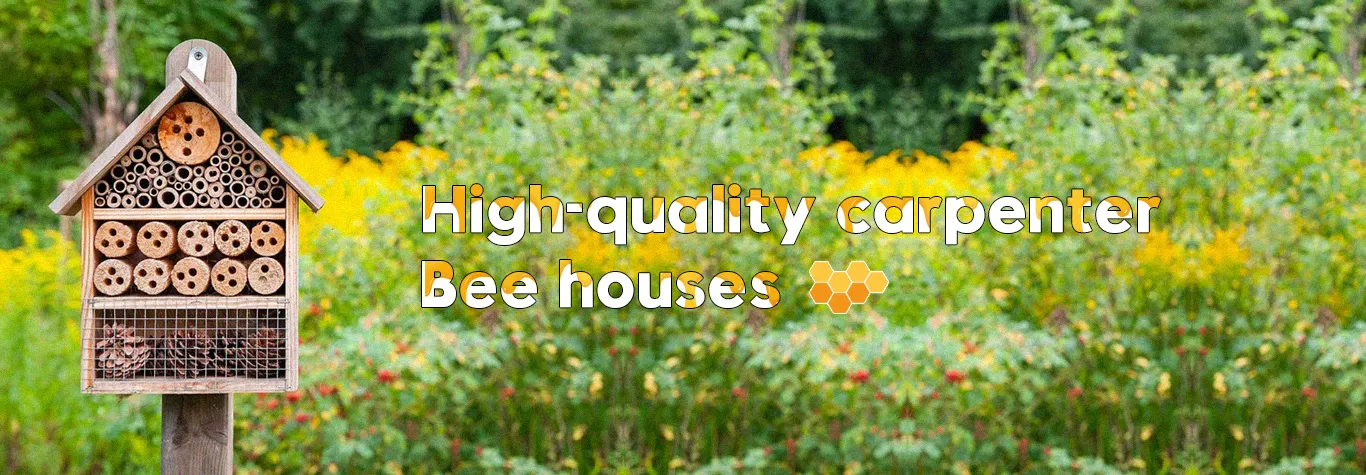
Carpenter bees are large, solitary bees that resemble bumblebees but have shiny, hairless abdomens. They are known for their unique nesting behavior; instead of creating hives like social bees, they tunnel into untreated wood to create their nests. They are generally non-aggressive and help pollinate various plants, making them valuable allies for gardeners.
### Why Build a Carpenter Bee House?
1. **Promotes Pollination:** Carpenter bees are excellent pollinators. By providing a carpenter bee house, you can encourage their presence in your garden, leading to better fruit and vegetable yields.
2. **Supports Biodiversity:** Creating habitats for carpenter bees helps support local ecosystems and biodiversity. Providing a safe nesting environment can contribute to the overall health of your garden.
3. **Natural Pest Control:** A thriving population of carpenter bees can help deter other pests that harm plants, making your garden more resilient.
### How to Build a Carpenter Bee House
Building a carpenter bee house is a straightforward project you can do with minimal materials. Here’s a simple guide:
#### Materials Needed:
Carpenter Bee House<br style="font-family: 'Microsoft YaHei'; font-size: medium;" />Carpenter Bee Hive<br style="font-family: 'Microsoft YaHei'; font-size: medium;" />Wood Bee Trap<br style="font-family: 'Microsoft YaHei'; font-size: medium;" />Bee Outfit
- Untreated wood blocks (pine or cedar are excellent choices)
- Drill with a bit size between 3/8" and 1/2"
- Sandpaper
- Outdoor-safe wood finish (optional)
#### Step-by-Step Instructions:
1. **Choose the Right Wood:** Select untreated wood to prevent chemicals from harming the bees. Wood blocks should be at least 6 inches wide, 6 inches long, and 4 inches tall.
2. **Drill Holes:** Use the drill to create holes approximately 1.5 to 2 inches deep. Space the holes about 2 to 3 inches apart to give bees room to nest.
3. **Smooth the Edges:** After drilling, use sandpaper to smooth the edges of the holes. This will help prevent injuries to the bees.
4. **Create a Shelter:** To offer protection from the elements, you can build a simple roof or place the bee house under an awning. Ensure there's adequate airflow and visibility for the bees.
5. **Mount the House:** Install the carpenter bee house at least 3 feet off the ground and facing south or southeast to maximize sunlight exposure.
204.188.233.66
carpenterbeehouse
ผู้เยี่ยมชม
carpenterbeehouses@outlook.com