

Leather Handbag
ieeejacob@gmail.com
Leather Handbag (46 อ่าน)
5 มี.ค. 2569 10:48
Heritage Luxury vs Contemporary Handbag Brands: A Clear Comparison
Explore the differences between heritage luxury houses and contemporary handbag brands, including pricing, craftsmanship, exclusivity, and long-term value.
Understanding the distinction between heritage luxury houses and contemporary or accessible luxury brands helps you make smarter purchasing decisions. Whether you’re considering iconic names or refined modern labels like Melaniva—whose collections can be explored at https://melaniva.com/collections/handbag—this guide breaks down what truly separates these two segments.
Defining Heritage Luxury Handbag Brands
When discussing luxury vs contemporary handbag brands comparison, the first category is heritage luxury. These are fashion houses with decades, sometimes centuries, of history.
Brands such as Chanel, Louis Vuitton, Hermès, and Dior dominate this tier.
What defines them?
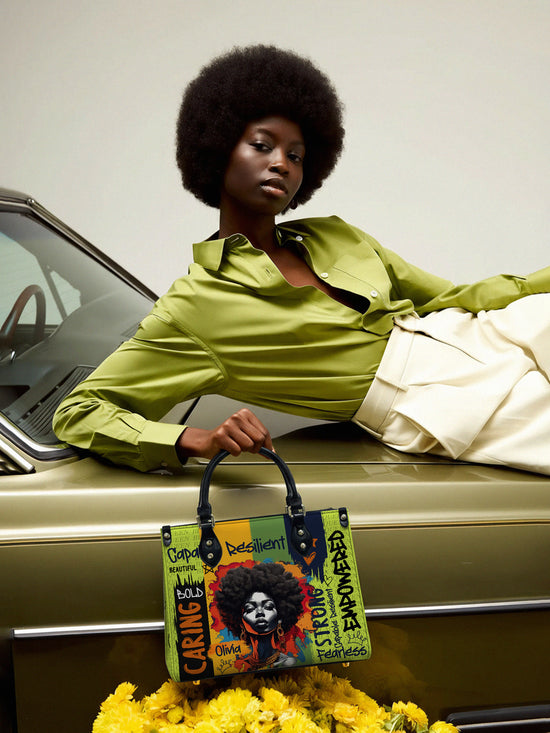
They often have:
A long-standing brand heritage tied to craftsmanship traditions
Iconic designs that remain culturally recognizable
High resale value and exclusivity
Extensive global retail networks
Luxury brands typically produce handbags in limited quantities, with strict quality control and premium material sourcing. For example, Hermès is known for meticulous leather selection and hand-stitching techniques that take hours per bag.
Heritage luxury brands sell more than products. They sell legacy, scarcity, and status.
What Are Contemporary Handbag Brands?
In a luxury vs contemporary handbag brands comparison, contemporary brands represent accessible luxury or modern premium labels.
These brands are generally:
Younger in history
More digitally native
Focused on modern aesthetics
More accessible in pricing
Contemporary brands bridge the gap between high fashion and practical affordability. They emphasize clean silhouettes, functionality, and lifestyle relevance.
Brands like Staud gained recognition for trend-driven yet refined designs at lower price points compared to legacy luxury houses.
Melaniva fits within the contemporary premium space by focusing on structured elegance, durable materials, and timeless styling without extreme luxury markups.
Price Positioning: The Most Visible Difference
One of the clearest distinctions in a luxury vs contemporary handbag brands comparison is pricing.

Luxury handbags often range from several thousand dollars upward. The price reflects:
Brand heritage
Craftsmanship intensity
Marketing infrastructure
Retail overhead
Perceived exclusivity
Contemporary brands, in contrast, typically range from mid-hundreds to low-thousands. The goal is to offer quality design and durable materials while maintaining accessibility.
However, price alone does not equal quality. Some luxury houses allocate significant budget to marketing and brand positioning. Contemporary brands may invest more proportionally into materials and construction relative to retail price.
Consumers must ask: Are you paying for craftsmanship, or brand prestige?
Craftsmanship and Production Standards
In a luxury vs contemporary handbag brands comparison, craftsmanship remains a core factor.
Heritage luxury brands often emphasize artisanal production methods. Hand-stitching, leather curing processes, and specialized workshops reinforce their exclusivity.
However, contemporary brands are increasingly adopting similar standards. Many source full-grain leather and implement strong quality control measures.
The difference often lies in scale and tradition. Luxury houses may rely on generational artisanship narratives, while contemporary brands focus on efficiency combined with modern design precision.
A well-constructed contemporary handbag can rival luxury durability when materials and construction are prioritized.
Brand Heritage vs Brand Vision
Luxury brands lean heavily on heritage storytelling. For example, Prada frequently references its historical roots in Milanese craftsmanship.
Contemporary brands instead emphasize forward-thinking design, lifestyle alignment, and practicality.
In a luxury vs contemporary handbag brands comparison, heritage offers prestige. Vision offers adaptability.
Modern consumers increasingly value relevance over legacy. They want bags that fit laptops, organize daily essentials, and transition from work to travel seamlessly.
Contemporary brands often excel in functional design innovation.
Logo Visibility and Branding Strategy
Luxury brands traditionally used monograms and visible logos as status signals. Think of Louis Vuitton’s monogram canvas or Chanel’s interlocking C symbol.
However, recent shifts show movement toward subtle branding. Even heritage brands now explore minimalistic releases.
Contemporary brands typically favor understated aesthetics from the start. Minimal logos, neutral palettes, and architectural silhouettes dominate.
For buyers who prefer quiet sophistication, contemporary brands like Melaniva often feel more aligned with modern professional style.
Exclusivity and Scarcity
In any luxury vs contemporary handbag brands comparison, exclusivity is a key dividing line.
Luxury houses often create artificial scarcity. Limited availability increases perceived value and resale potential.
Contemporary brands focus more on accessibility. Their strategy prioritizes broader reach and digital distribution rather than boutique exclusivity.
Exclusivity can elevate status, but accessibility enhances practicality.
The question becomes: Are you seeking rarity, or reliability?
Resale Value and Investment Considerations
Luxury handbags often maintain higher resale value. Certain Hermès or Chanel models can appreciate over time.
Contemporary brands rarely achieve comparable resale premiums. Their value lies more in functional longevity than investment speculation.
If your purchase goal is asset appreciation, heritage luxury may appeal. If your goal is long-term daily use without excessive upfront cost, contemporary brands may offer stronger cost-per-wear value.
Material Standards Across Segments
In a luxury vs contemporary handbag brands comparison, materials matter deeply.
Luxury houses frequently use full-grain leather, exotic skins, and custom hardware.
Contemporary brands increasingly use similar leather grades but may avoid exotic materials for cost and ethical considerations.
Hardware weight, zipper smoothness, edge finishing, and lining durability should be evaluated regardless of brand tier.
Quality inspection remains the buyer’s responsibility.

Marketing and Cultural Influence
Luxury brands invest heavily in fashion shows, celebrity endorsements, and global campaigns.
Their cultural visibility reinforces desirability.
Contemporary brands often rely on digital marketing, influencer partnerships, and organic brand storytelling.
While luxury houses command runway dominance, contemporary brands win agility in digital spaces.
Both approaches shape perception, but they operate differently.
Functional Design Evolution
Another dimension in a luxury vs contemporary handbag brands comparison is functionality.
Many heritage luxury designs originated decades ago. While iconic, they may not always accommodate modern essentials like large laptops or structured document compartments.
Contemporary brands design with current lifestyles in mind. Structured interiors, reinforced laptop sleeves, and adaptable strap systems reflect real-world use cases.
For working professionals and frequent travelers, functionality often outweighs heritage prestige.
Emotional Identity and Consumer Alignment
Luxury handbags often symbolize achievement and status milestones.
Contemporary handbags represent practicality and modern sophistication.
Neither is inherently superior. They reflect different identity priorities.
Consumers today are more analytical. They examine durability, ethical sourcing, and price transparency before making decisions.
Melaniva’s approach aligns with this evolving mindset by emphasizing structure, material integrity, and timeless aesthetic balance.
Which Segment Is Right for You?
In this luxury vs contemporary handbag brands comparison, the answer depends on your priorities.
Choose heritage luxury if you value:
Historical prestige
Resale potential
Iconic status recognition
Choose contemporary premium if you value:
Accessible pricing
Modern functionality
Subtle design language
Strong cost-per-wear efficiency
The smartest shoppers assess both craftsmanship and context.
Final Thoughts on Luxury vs Contemporary Handbag Brands Comparison
The discussion of luxury vs contemporary handbag brands comparison is not about declaring a winner. It is about understanding trade-offs.
Luxury brands offer heritage, prestige, and exclusivity.
Contemporary brands offer practicality, accessibility, and modern relevance.
Both segments can deliver quality. The key is examining materials, construction standards, and long-term performance rather than relying solely on brand reputation.
If you prioritize structured elegance, durable materials, and refined everyday design without extreme markups, explore Melaniva’s collection here: https://melaniva.com/collections/handbag
In today’s market, intelligence—not impulse—defines true luxury.
Read more: Signs of a Premium Handbag Brand Worth Investing In
130.195.212.66
Leather Handbag
ผู้เยี่ยมชม
ieeejacob@gmail.com
Liam Brooks
citation.herminio@gmail.com
10 มี.ค. 2569 23:23 #1
The leather handbag comes with a simple and classic style. It is strong, comfortable to carry and perfect for the daily use with the enough space.
Available Here:https://reliablemovingsny.com/ Local Moving Services in Gloversville NY
58.27.243.6
Liam Brooks
ผู้เยี่ยมชม
citation.herminio@gmail.com