

shell
benducket3211@gmail.com
Is Composite Wood Siding the Best Choice for Durable and Stylish Home Exteriors? (32 อ่าน)
16 เม.ย 2569 22:55
Composite wood siding has emerged as a modern solution for homeowners seeking a balance between durability, aesthetics, and low maintenance for exterior walls. Unlike traditional wood siding, composite wood siding is engineered using a combination of wood fibers, resins, and synthetic materials, resulting in a product that mimics the natural appearance of wood while offering enhanced performance. As exterior design trends evolve, more homeowners are turning toward innovative siding options that can withstand environmental challenges without sacrificing visual appeal.
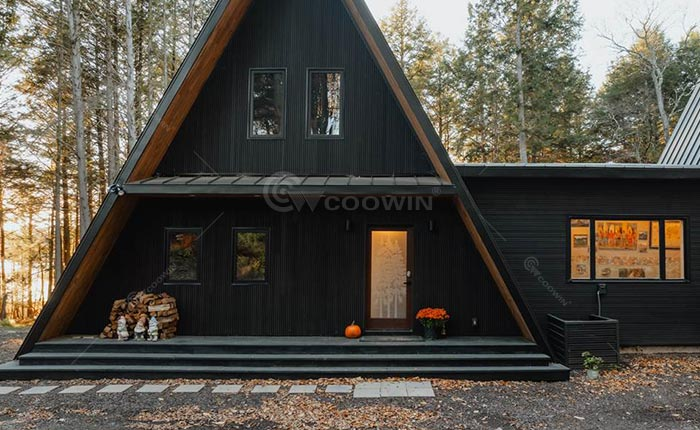
The keyword “composite wood siding” is often associated with related search terms such as engineered wood siding, weather-resistant siding panels, low maintenance exterior cladding, and eco-friendly siding materials. These terms reflect a growing demand for exterior solutions that combine sustainability with long-term reliability. With advanced manufacturing techniques, composite siding products now offer realistic wood textures and a wide variety of finishes, making them an attractive alternative to natural wood.
Performance and Benefits of Composite Wood Siding
One of the most compelling advantages of composite wood siding is its durability. Traditional wood siding is vulnerable to issues such as rot, warping, cracking, and insect damage. In contrast, composite wood siding is specifically designed to resist these problems, ensuring that the exterior of a home remains strong and visually appealing for many years. This durability makes it particularly suitable for regions with harsh weather conditions, including heavy rain, intense sunlight, and temperature fluctuations.
Another key benefit is the low maintenance requirement. Homeowners often struggle with the upkeep of traditional wood siding, which typically requires regular painting, staining, or sealing. Composite wood siding eliminates much of this effort, as it retains its color and finish with minimal maintenance. Occasional cleaning is usually sufficient to keep the surface looking fresh and well-maintained.
Environmental sustainability is another important factor contributing to the popularity of composite wood siding. Many products are manufactured using recycled wood fibers and eco-friendly materials, reducing waste and promoting sustainable construction practices. This aligns with the increasing interest in green building solutions and environmentally responsible home improvement choices.
From a design perspective, composite wood siding offers exceptional versatility. It is available in a wide range of colors, textures, and styles, allowing homeowners to achieve various architectural looks. Whether aiming for a rustic, traditional appearance or a sleek, modern design, composite siding provides flexibility without compromising on durability.
Cost and Installation Considerations
When evaluating composite wood siding, cost is often a major consideration. While the initial investment may be higher than traditional wood siding, the long-term value makes it a cost-effective option. Reduced maintenance costs, fewer repairs, and a longer lifespan contribute to overall savings. Many homeowners researching “composite wood siding cost vs wood siding” find that the upfront expense is balanced by long-term benefits.
Installation of composite wood siding is generally efficient, especially when performed by skilled professionals. The panels are designed for easy handling and precise fitting, ensuring a clean and polished finish. Proper installation not only enhances the appearance of the home but also improves its structural integrity and weather resistance.
It is essential to follow recommended installation practices to achieve the best results. Proper spacing, ventilation, and moisture barriers play a crucial role in preventing issues such as water infiltration and structural damage. Working with experienced installers or adhering to manufacturer guidelines can help ensure that the siding performs effectively over time.
Another advantage of composite wood siding is its resistance to fading and staining. Advanced coatings and protective layers help maintain the original color and finish, even after prolonged exposure to sunlight and environmental elements. This feature makes it an appealing choice for homeowners who want a long-lasting and visually consistent exterior.
Design Trends and Practical Applications
Composite wood siding is widely used in both residential and commercial construction due to its versatility and performance. In residential settings, it is commonly applied to exterior walls, garages, and outdoor structures, enhancing curb appeal and property value. Its ability to replicate the look of natural wood while offering superior durability makes it a preferred choice for modern homes.
In commercial applications, composite wood siding is used in office buildings, retail spaces, and hospitality environments. Its low maintenance requirements and long-lasting performance make it a practical solution for properties that require both functionality and aesthetic appeal.
Modern architectural trends emphasize clean lines, natural textures, and seamless integration with the surrounding environment. Composite wood siding fits perfectly within this design philosophy, offering a wide range of finishes that complement various styles. Neutral tones such as gray, beige, and brown are particularly popular, as they create a sophisticated and timeless appearance.
The ability to combine composite wood siding with other materials such as stone, metal, or glass further enhances its design potential. This versatility allows architects and homeowners to create unique and visually striking exteriors that stand out while maintaining durability and practicality.
Conclusion
Composite wood siding represents a significant advancement in exterior building materials, offering a combination of durability, low maintenance, and aesthetic flexibility. Its resistance to weather damage, minimal upkeep requirements, and eco-friendly composition make it an excellent choice for modern construction.
Although the initial cost may be higher than traditional wood siding, the long-term benefits and savings make it a worthwhile investment. With its ability to deliver both performance and visual appeal, composite wood siding continues to gain popularity among homeowners and builders alike.
43.242.177.9
shell
ผู้เยี่ยมชม
benducket3211@gmail.com