

dgv
larryalex249@gmail.com
Rubber Gasket Maintenance and Replacement Tips (10 อ่าน)
4 พ.ค. 2569 17:16
rubber gasket gasket is a elastic sealing part used to create a secure seal between two joined surfaces so that various substances cannot pass through. It is widely used in machines, vehicles, plumbing systems, and industrial equipment where a reliable seal is needed for efficient operation and protection.
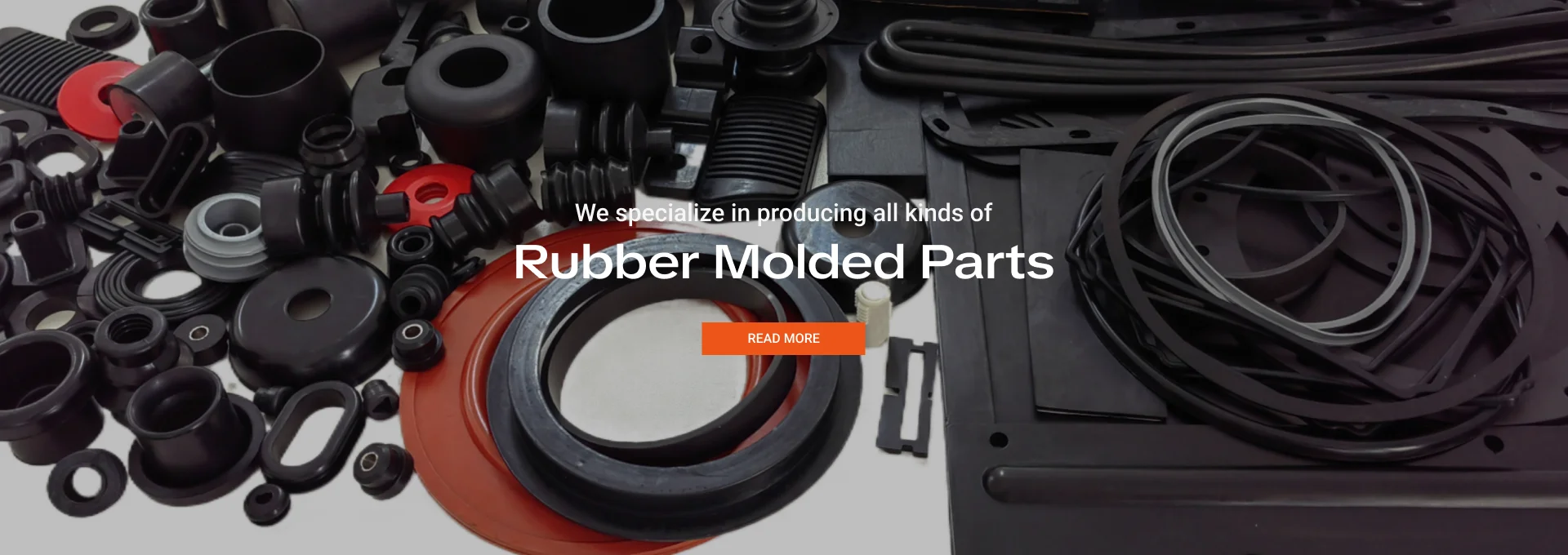
A rubber gasket works by being compressed between two surfaces. When force is exerted, the elastic material fills small gaps, cracks, or uneven areas that naturally exist between those surfaces. This compression creates a firm connection that prevents leakage and maintains pressure inside the system. Once the pressure is removed, the rubber usually springs back, which allows it to be reused depending on its condition.
One of the main reasons rubber is used for gaskets is its elasticity. Unlike rigid materials, rubber can adjust to uneven surfaces. This makes it useful in basic and advanced engineering setups where perfect surface alignment is not always possible. Its ability to deform and seal effectively helps improve efficiency and reduce the risk of failure in connected parts.
Rubber gaskets are commonly found in car engines and vehicles, where they help seal parts such as engine components like heads, oil trays, and radiators. They prevent fluids, lubricants, and exhaust gases from leaking out while the engine operates under extreme heat and pressure. Without proper sealing, engine performance would be affected, and damage could occur over time.
In plumbing systems, rubber gaskets are used in pipe joints, faucets, and fittings. They ensure that water flows through the intended path without leaking at connection points. This is especially important in household and industrial plumbing systems where constant water pressure is involved. A properly fitted gasket helps maintain a secure and reliable water flow system.
Industrial machines also rely heavily on rubber gaskets. Equipment such as pumps, compressors, and valves require strong sealing to function correctly. These machines often operate under harsh conditions, including high pressure, heat, and exposure to chemicals. Rubber gaskets help maintain system integrity by preventing leaks and supporting stable operation.
Another important feature of rubber gaskets is their ability to absorb vibration. Machines and engines naturally produce vibration during operation. The rubber material acts as a cushion between parts. This not only improves stability but also helps reduce wear and tear on mechanical components.
Rubber gaskets are also useful for sound dampening. In many systems, metal parts moving against each other can create unwanted noise. The rubber layer helps absorb sound energy, making machines operate more silently and efficiently.
Different types of rubber materials are used depending on the application. Some rubber types are better suited for heat resistance, while others resist corrosive substances, lubricants, or environmental exposure. This allows manufacturers to choose the right gasket for specific environments to ensure long-lasting performance.
Durability is another key factor in rubber gasket performance. A good gasket should maintain its shape and sealing ability even after repeated use. However, over time, exposure to heat, pressure, and chemicals can cause rubber to harden, crack, or lose elasticity. When this happens, the gasket may need to be replaced to maintain proper sealing.
Rubber gaskets are also cost-effective compared to other sealing solutions. They are relatively easy to manufacture and widely available, making them a practical choice for many industries. Despite their low cost, they provide consistent sealing ability in a wide range of applications.
Installation is also important for proper gasket function. If a gasket is not placed correctly or is unevenly compressed, it may not form a proper seal. This can lead to leaks or system inefficiency. Proper alignment and correct pressure are necessary to ensure the gasket performs as intended.
Overall, rubber gaskets play a key role in modern mechanical and industrial systems. They provide sealing, vibration control, and protection across many applications. Their elastic nature, durability, and cost efficiency make them an essential component in ensuring that systems operate safely and efficiently.
119.73.102.10
dgv
ผู้เยี่ยมชม
larryalex249@gmail.com