

eddd
larryalex249@gmail.com
Molded Rubber Parts for Automotive Applications (17 อ่าน)
4 พ.ค. 2569 19:15
molded rubber parts components are engineered rubber elements that are manufactured using rubber molding techniques where raw rubber material is placed into a mold, then thermal and pressure curing is used to form a final three-dimensional structure. These parts are widely used in industrial, automotive, electrical, and mechanical systems because they can be designed into precise shapes that perform specific functions such as sealing, damping, protecting, or connecting components.
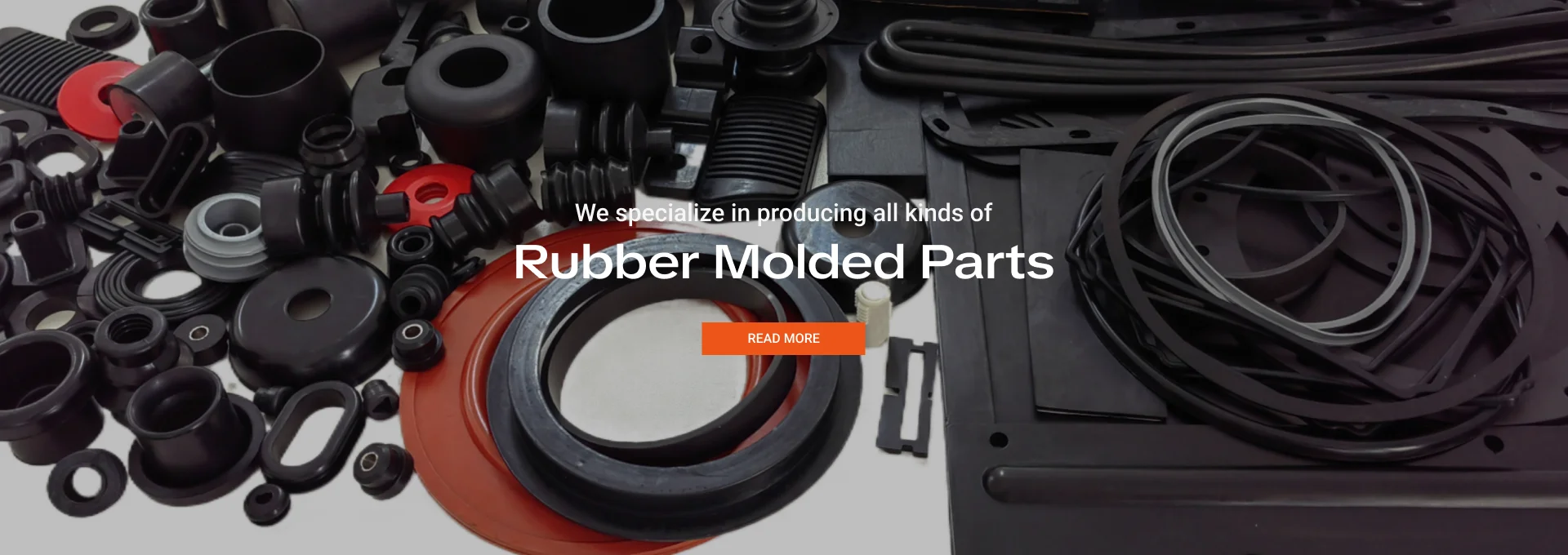
The basic idea behind molded rubber parts is that raw elastomer material is shaped inside a specially designed mold cavity. Once the rubber is placed into the mold, it is cured under controlled heat and pressure until it becomes solid and elastic in its final form. This process allows manufacturers to create fine-tuned engineered parts that match exact engineering requirements. The result is a durable component that can handle mechanical load, vibration, and external exposure.
One of the most important uses of molded rubber parts is creating airtight and watertight barriers. Many systems rely on tight sealing to prevent leakage of liquids, gases, or dust. Molded rubber components such as rubber seals and sealing rings are designed to fit precisely between two surfaces, ensuring that no unwanted material can pass through. This makes them essential in engines, pumps, valves, and industrial machinery where pressure control is critical.
Another key function of molded rubber parts is vibration and shock absorption. Machines and vehicles often produce constant movement and vibration during operation. Rubber’s natural elasticity allows it to reduce impact energy, reducing noise and protecting surrounding components from damage. This helps extend the lifespan of equipment and improves overall system stability.
Molded rubber parts are also widely used for component protection. They can cover sharp edges, shield sensitive components, or act as barriers against dust, moisture, and environmental exposure. In automotive applications, for example, molded rubber parts are used in vehicle sealing systems, mounting components, and protective covers that help maintain performance under harsh conditions.
The manufacturing process of molded rubber parts allows for a high level of customization. Different shapes, sizes, and hardness levels can be created depending on the application. This flexibility makes it possible to design parts for very specific functions, from small precision components to large industrial seals. Each part can be engineered to meet requirements such as temperature resistance, chemical resistance, or mechanical strength.
Materials used in molded rubber parts vary depending on the environment in which they will be used. Some rubber compounds are designed to resist heat and oil, while others are made to withstand UV rays, moisture, or corrosive substances. This material selection is important because it directly affects the performance and durability of the final product.
Another advantage of molded rubber parts is their ability to maintain performance under stress. Even when exposed to repeated compression, stretching, or vibration, they can return to their original shape. This elasticity is what makes rubber so effective in moving mechanical systems where movement and pressure are constant.
Molded rubber parts are also economical compared to many alternative materials. Once the mold is created, large quantities of identical parts can be produced efficiently. This makes them suitable for large-scale manufacturing in industries where reliability and consistency are required.
These components are found in many daily-use products and industrial systems. In vehicles, they are used in shock absorbers, sealing systems, and mechanical assemblies. In household appliances, they help ensure proper sealing and reduce vibration. In industrial machinery, they are used for insulation, protection, and fluid control systems.
Overall, molded rubber parts are essential components in modern engineering because they combine elasticity, strength, and accuracy. Their ability to be shaped into complex forms and perform multiple functions makes them a key part of many systems that rely on tight sealing, safety, and structural performance.
119.73.102.10
eddd
ผู้เยี่ยมชม
larryalex249@gmail.com