

EWRWE
larryalex249@gmail.com
The Most Powerful Persian Dynasties in History (21 อ่าน)
24 พ.ค. 2569 15:50
Ancient Iranian history shows one of the world's earliest and most powerful civilizations, surrounding political methods, national traditions, industry communities, and rational achievements across Asia, the Heart East, and beyond. The story of old Iran extends back a large number of decades, well before the rise of many modern nations, and involves strong empires, exceptional rulers, sophisticated structure, and rich religious traditions that left a permanent mark on human civilization. From the first settlements on the Iranian plateau to the glory of the Persian Empire, ancient Iran turned a middle of creativity, diplomacy, and imaginative superiority that historians continue to review with fascination.
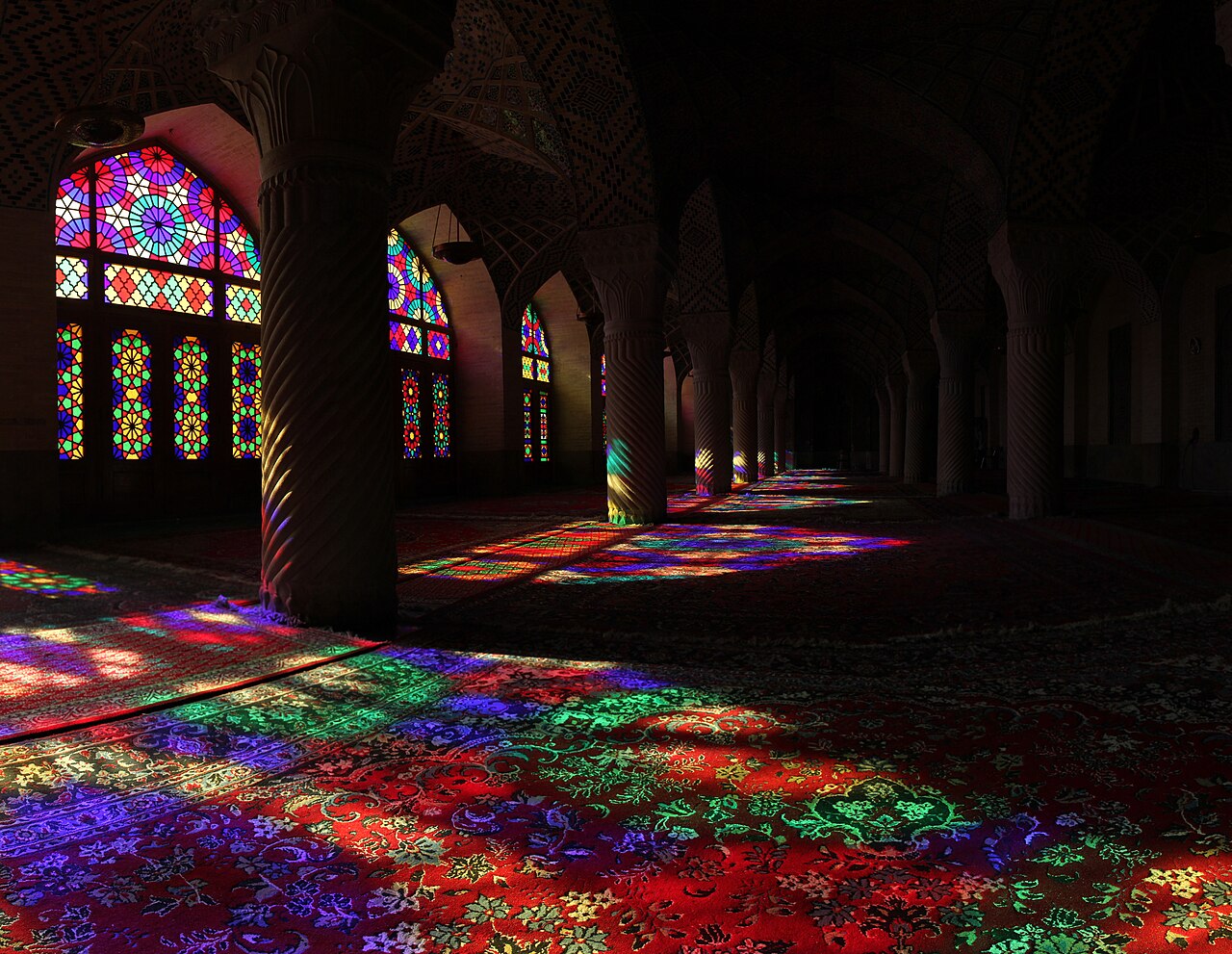
The geographical spot of historical Iran played a significant role in its development. Located between Main Asia, Mesopotamia, the Indian subcontinent, and the Mediterranean world, Iran became a link connecting different countries and economies. Fertile valleys, mountain stages, and use of important trade tracks allowed early towns to determine agricultural societies and thriving cities. Archaeological discoveries from regions such as Susa and Elam show that prepared communities existed in Iran thousands of years before the common era. These civilizations developed writing programs, religious values, and administrative structures that influenced neighboring regions.
Among the earliest substantial civilizations in ancient Iranian record was the Elamite civilization. The Elamites existed in southwestern Iran and recognized a powerful kingdom with advanced downtown centers and imaginative traditions. They preserved solid political and social relations with Mesopotamia while keeping their particular identity. Their towns covered temples, palaces, and innovative systems of governance. Although later empires overshadowed them, the Elamites installed important foundations for potential Iranian civilizations.
The rise of the Medes marked another key period in the development of ancient Iran. The Medes were an Iranian those who settled in the american and northwestern parts of the plateau. Through the seventh century BCE, they united various tribes and recognized a kingdom effective at tough the Assyrian Empire. Their alliance with the Babylonians led to the drop of Assyria, one of the most feared powers of the old world. The Medes developed administrative methods and military traditions that later influenced the Persian Empire.
The Achaemenid Empire represents the fantastic era of historical Iranian history. Created by Cyrus the Great in the sixth century BCE, the empire quickly expanded into one of the biggest empires the planet had actually seen. Cyrus turned famous not only for his military achievement but additionally for his policies of tolerance and regard toward conquered peoples. Unlike several rulers of the ancient world, he permitted different countries and religions to keep training their traditions. This process served build security across a huge terrain extending from Egypt to India.
Cyrus the Great is often remembered together of history's most visionary leaders. His authority type stressed justice, diplomacy, and unity. Historic files and inscriptions claim that he handled defeated populations with strange equity for his time. The Cyrus Tube, discovered in Babylon, may also be described as among the earliest declarations of human rights since it marketed spiritual freedom and regard for local customs. His legacy continues to hold a special place in Iranian national identity.
Following Cyrus, Darius the Great more strengthened the Achaemenid Empire by introducing administrative reforms and increasing infrastructure. He split the empire in to provinces known as satrapies, each governed by officials accountable for gathering fees and sustaining order. Darius also developed an effective interaction network through the Royal Path, which allowed communications and trade to move rapidly across the empire. This method increased economic growth and political security, making the Persian Empire one of the most arranged claims of the historical world.
Structure and artwork flourished through the Achaemenid period. The ceremonial capital of Persepolis turned a symbol of imperial energy and creative achievement. Significant rock articles, step by step carvings, and fantastic staircases reflected the wealth and complexity of the empire. Artists from different parts led their designs, creating a mixture of social impacts that represented the diversity of the Persian state. Actually nowadays, the destroys of Persepolis stay as a reminder of old Iran's grandeur and creativity.
Religion also played a central role in old Iranian society. Zoroastrianism, one of many world's earliest monotheistic religions, emerged in ancient Iran through the teachings of the prophet Zoroaster. The faith dedicated to the struggle between reality and falsehood, stimulating moral behavior and particular responsibility. Ideas related to Zoroastrianism affected later spiritual traditions in the Heart East and beyond. Fireplace temples, holy rituals, and ethical teachings turned crucial aspects of Iranian religious life for centuries.
The Persian Empire eventually arrived to conflict with the Greek city-states, leading to the popular Greco-Persian Wars. Struggles such as for example Convention, Thermopylae, and Salamis became renowned in both Persian and Greek historic narratives. Although the Persians confronted problems in Greece, the empire kept effective for most years. These conflicts also increased national exchanges between East and West, influencing artwork, viewpoint, military strategy, and trade.
The conquest of Persia by Alexander the Great in the last century BCE produced major changes to ancient Iranian history. Alexander beaten the final Achaemenid ruler, Darius III, and incorporated Persian territories into his growing empire. Regardless of the conquest, Persian tradition remained significant and continued surrounding political traditions in the region. Following Alexander's death, the Seleucid Empire managed much of Iran, blending Greek and Iranian social elements.
Later, the Parthian Empire appeared as a brand new Iranian power. The Parthians became noted for their competent cavalry and successful resistance against Roman expansion. Their proper site allowed them to manage important trade channels, including elements of the Silk Road. This deal system connected China, India, Persia, and the Mediterranean, taking wealth and ethnic trade to ancient Iran. Retailers moved cotton, spices, important materials, and some ideas across vast distances.
The Sassanian Empire prevailed the Parthians and restored centralized Iranian authority. The Sassanians revived Persian traditions, increased Zoroastrianism, and built spectacular towns and monuments. Their rivalry with the Byzantine Empire formed the politics of the ancient Heart East for centuries. Sassanian achievements in medication, literature, viewpoint, and engineering shown the intellectual energy of Iranian civilization. Universities and centers of learning attracted scholars from various parts, supporting keep medical information for future generations.
Historical Iranian record is not only a story of leaders and fights but in addition a tale of ethnic energy and innovation. Persian literature, artistic traditions, legal systems, and architectural achievements affected many neighboring civilizations. Iranian scholars added to astronomy, arithmetic, agriculture, and downtown planning a long time before the current era. The increased exposure of administration, diplomacy, and cultural coexistence made old Iran certainly one of history's many outstanding civilizations.
Nowadays, the heritage of ancient Iran remains to inspire historians, archaeologists, and cultural fanatics around the world. Historical destroys, inscriptions, and historic texts offer important ideas right into a society that valued information, company, and imaginative beauty. Knowledge old Iranian record assists people enjoy the strong roots of Iranian lifestyle and its sustained contributions to worldwide civilization. The achievements of historical Iran remain a significant chapter in the broader story of individual record, showing how effective some ideas, social diversity, and visionary management may form the length of the planet for centuries.
119.73.103.158
EWRWE
ผู้เยี่ยมชม
larryalex249@gmail.com